In many companies, lunch is treated as a private matter. Everyone organises their own meal, and somehow it is assumed to work.
Everyday experience often looks different.
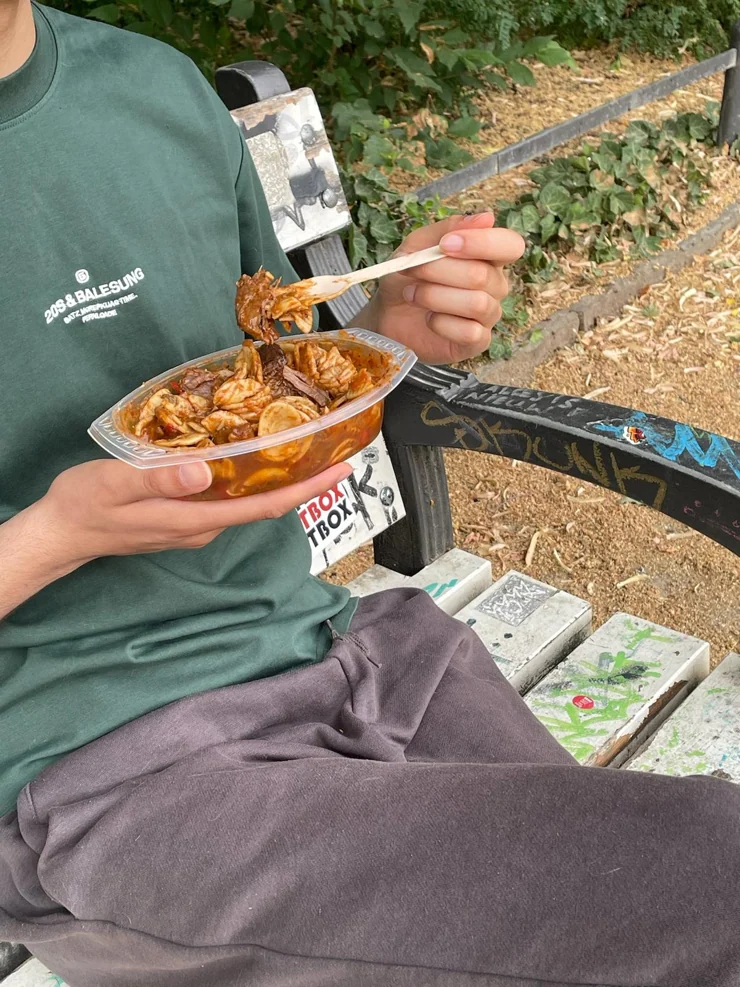
Between 12:00 and 13:30, employees leave the building, check several options, wait, make a spontaneous decision and end up eating at their desks.
This costs time and concentration.
What actually happens during the working day
When teams need 35 to 50 minutes each day to get lunch away from the location, a pattern emerges.
Comparing lunch models can help you find a solution that fits these daily routines.
- Meetings move into the afternoon
- Periods of focused work are interrupted
- Team routines become fragmented
- The break rarely provides real rest
For HR and Office teams, this is a recurring difficulty without a clear owner.
Why this matters for employee retention
Employees judge benefits by how usable they are as well as by their budget.
A benefit that is visible and easy to use every day has more impact than one that is barely noticed. When lunch is regularly stressful, it sends a signal that the working day has not been fully thought through.
Why this concerns Operations
Daily processes determine how reliably the service runs at each location.
Lunch directly affects
- Time during core working hours
- Team planning
- Friction in the daily routine
Food access is part of a location’s infrastructure.
The underlying question
Does the location provide reliable, quick and practical access to a hot meal?
Companies that address this gain in two ways
- Less friction in everyday operations
- A better perception of the working environment